Goal Setting System: Achieve Your Dreams Easily
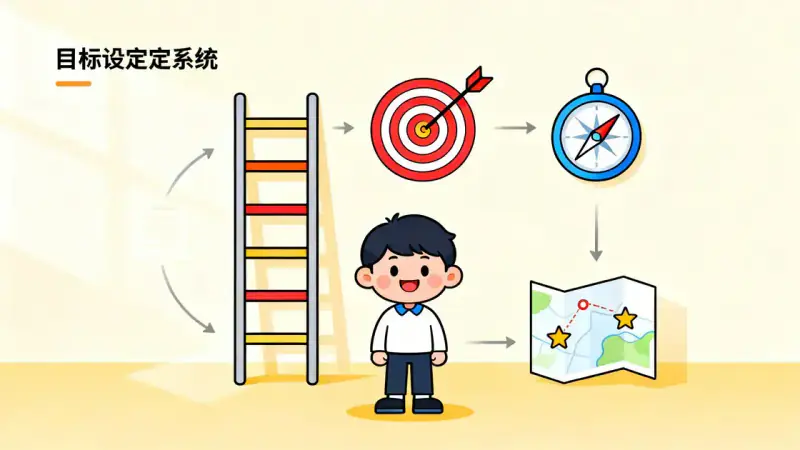
A goal setting system can guide you to achieve your dreams effectively. It provides a framework to clarify your objectives and set actionable steps.
By understanding how to implement a goal setting system, you can boost motivation and stay on track while managing challenges.
Keep reading to discover how this can transform your life!
Understanding the Goal Setting System
Understanding the goal setting system is essential for success. It involves defining clear and measurable objectives to improve focus and motivation.
With a solid system, you can track your progress effectively. This makes it easier to adjust your plans as needed along the way.
Key elements include setting specific goals, creating action steps, and regularly reviewing your progress.
Importance of Setting Goals
The importance of setting goals cannot be overstated. Goals provide direction and a sense of purpose in life. When clearly defined, they help focus your efforts and resources.
Having specific goals boosts your motivation. They also make it easier to measure progress and achievements.
Here are key benefits of setting goals:
- Increase motivation and focus.
- Help track progress effectively.
- Enhance decision-making skills.
Key Components of a Successful System
A successful goal setting system has key components that guide you in achieving your objectives. These components help structure your approach and keep you motivated.
First, clear and specific goals are essential. They provide a roadmap for where you want to go.
Other important elements include setting deadlines, creating action steps, and regularly reviewing your progress. Here are some key components:
- Clear objectives to guide efforts.
- Action steps for motivation.
- Regular reviews to track progress.
Steps to Create Your Goal Setting System
Creating your goal setting system involves clear steps that help you define and achieve your objectives. These steps guide your path and keep you organized.
Start by identifying your long-term goals. Write them down in a way that is specific and measurable.
Next, create smaller, actionable steps to reach those goals. Regularly review and adjust your plan as necessary. Here are the main steps:
- Identify your long-term goals.
- Break them into actionable steps.
- Set deadlines for each step.
Common Pitfalls in Goal Setting
Common pitfalls in goal setting can hinder your progress and success. Recognizing these mistakes helps you avoid them and stay on track. Many people rush into goal setting without planning carefully.
They might set vague goals or create too many at once. This can lead to feeling overwhelmed and frustrated.
Here are some common pitfalls to watch out for:
- Setting unrealistic goals.
- Not breaking goals into smaller steps.
- Neglecting to review progress regularly.
The Role of Reflection in Goal Setting
The role of reflection in goal setting is crucial for success. Reflection allows you to evaluate your progress and make necessary adjustments. It helps clarify what works and what doesn’t.
By regularly reviewing goals, you can renew your commitment and boost motivation. Without reflection, it is easy to lose focus or become discouraged.
Key benefits of incorporating reflection include:
- Increased self-awareness about your strengths and weaknesses.
- Better ability to adjust goals as needed.
- Enhanced motivation through recognition of progress.
Tools for Effective Goal Setting
Tools for effective goal setting can make a big difference in achieving your objectives. They help you plan, organize, and monitor your progress. Different tools suit different styles and preferences.
Whether you prefer digital apps or traditional methods, the right tool can enhance your goal setting experience. Here are some popular options:
- Digital apps like Trello and Asana for organization.
- Journals or planners for tracking progress.
- Vision boards to visualize goals.
Examples of Successful Goal Setting
Examples of successful goal setting illustrate how planning can lead to achievement. Many individuals and organizations have effectively set and met their goals. These real-life examples can inspire and guide others in their journey.
For instance, a student might set a goal to improve grades by studying an extra hour daily. A company could aim to increase sales by 20% over the year through strategic marketing.
Key lessons from these examples include:
- Define clear, measurable goals.
- Stay consistent and determined.
- Regularly track and adjust your plans.
Getting Started with Your Own System
Getting started with your own goal setting system is an exciting step. It involves creating a plan that works for you and your unique objectives. Begin by identifying what you want to achieve in both the short and long term.
Once you know your goals, outline specific steps you’ll take to reach them. Keep your goals clear and measurable to track your progress easily.