How to Manage Irregular Income Effectively Today
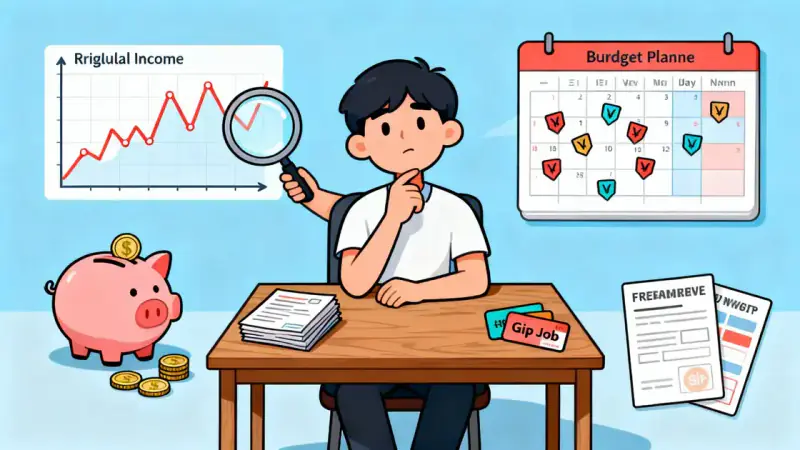
Managing irregular income can be a challenge for many individuals. When earnings change from month to month, knowing how to manage irregular income becomes essential to maintain control over your finances.
Financial fluctuations often lead to stress and uncertainty, especially when bills and daily expenses remain constant. Without a clear plan, it can be difficult to balance spending, saving, and long-term goals.
With the right strategies, it is possible to create stability and plan for future expenses. Keep reading to discover practical ways to bring more confidence and balance to your financial routine.
Understanding Irregular Income
Understanding irregular income is vital for effective financial planning. Irregular income refers to earnings that can change from month to month. This can come from freelance work, seasonal jobs, or sales commissions.
People with irregular income need to adapt their budgeting techniques. Regular income earners usually have a steady flow of money, making planning easier.
However, those with variable income can often face unpredictable expenses. This unpredictability means careful management is essential to maintain financial health.
Creating a Flexible Budget
- Identify your income range: calculate an average monthly income and note higher and lower earning months.
- Separate fixed and variable expenses: prioritize essentials and keep flexible categories adjustable.
- Set spending limits by priority: fund needs first, then wants when income allows.
- Create a buffer category: reserve money to cover low-income months or unexpected costs.
- Review and adjust monthly: update the budget based on actual income and expenses.
Building an Emergency Fund
Building an emergency fund is crucial for financial security. An emergency fund is money set aside for unexpected costs, such as medical bills or car repairs. Having this fund helps reduce stress during tough times.
To start, set a savings goal. Aim to save three to six months’ worth of living expenses. This amount ensures you have enough to cover essential costs when needed.
Regularly contribute to your emergency fund. Even small amounts can add up over time, making it easier to reach your savings goal.
The Role of Savings
The role of savings is vital in achieving financial goals. Savings provide a safety net during emergencies and help you plan for future expenses. When you have savings, you can manage unexpected costs without stress.
Savings can also be used for big purchases, such as a car or home. Additionally, having a savings plan boosts your confidence and improves financial security.
Regular saving habits are essential. Even small, consistent contributions can lead to significant growth over time. This practice prepares you for a stable financial future.
Diversifying Income Sources
Diversifying income sources is an important strategy for financial stability. By having multiple streams of income, you can reduce reliance on one single source. This approach helps to safeguard against unexpected financial losses.
Some common ways to diversify income include freelance work, investments, and passive income sources. Each additional source contributes to your overall earnings and increases financial security.
Having diverse income streams can lead to greater financial freedom. It allows you to pursue passions or interests that might not pay right away while still covering your essentials.
Managing Expenses Wisely
Managing expenses wisely is key to financial health. When you keep track of your spending, it becomes easier to live within your means. This practice helps you identify areas where you can cut costs and save money.
Start by categorizing your expenses into needs and wants. Prioritize essential items and look for ways to reduce discretionary spending. This method allows for better budgeting and helps avoid unnecessary debt.
Regularly review your budget to ensure you stay on track. Adjust as needed to reflect changes in your income or lifestyle.
Using Financial Tools
Using financial tools can greatly enhance money management, especially when learning how to manage irregular income. These tools help track income, expenses, and savings, making budgeting easier and more effective.
Common financial tools include budgeting apps, expense trackers, and investment calculators. Each tool serves a specific purpose, helping you better understand how to manage irregular income and make informed financial decisions.
Many of these tools are user-friendly and accessible. They can be used on your phone or computer, making it easy to stay organized and in control of your finances.
Seeking Professional Advice
Seeking professional advice can be a game changer for managing finances. Financial advisors provide expert insights tailored to your individual needs. They can help you understand complex topics like investments, retirement planning, and debt management.
Choosing the right advisor involves researching their qualifications and services. Look for professionals with experience relevant to your financial goals. This ensures you receive knowledgeable guidance.
Working with a professional can save you time and reduce stress. They can create personalized strategies that align with your financial situation.
Staying Motivated
Staying motivated is essential when managing your finances. Financial goals can sometimes feel overwhelming, especially when learning how to manage irregular income and keep track of progress over time. Setting clear milestones helps you see how far you’ve come.
To boost motivation, celebrate small victories. Rewarding yourself for reaching specific savings goals can keep you focused and engaged, reminding you why understanding how to manage irregular income is so important.
Joining support groups or discussing finances with friends can also provide encouragement. Surrounding yourself with like-minded individuals helps maintain accountability and consistency.
Common Mistakes to Avoid
Avoiding common mistakes is key to effective financial management. Many people make errors that can harm their financial health. Simple missteps can lead to significant setbacks or lost opportunities.
One major mistake is failing to create a budget. Without a budget, it’s easy to overspend and lose track of finances. Additionally, not having an emergency fund can create stress during unexpected situations.
Another mistake is ignoring financial goals. Setting clear goals helps keep you focused and motivated. Being aware of these errors can lead to better financial decisions.