How to Organize Financial Documents for Stress-Free Management
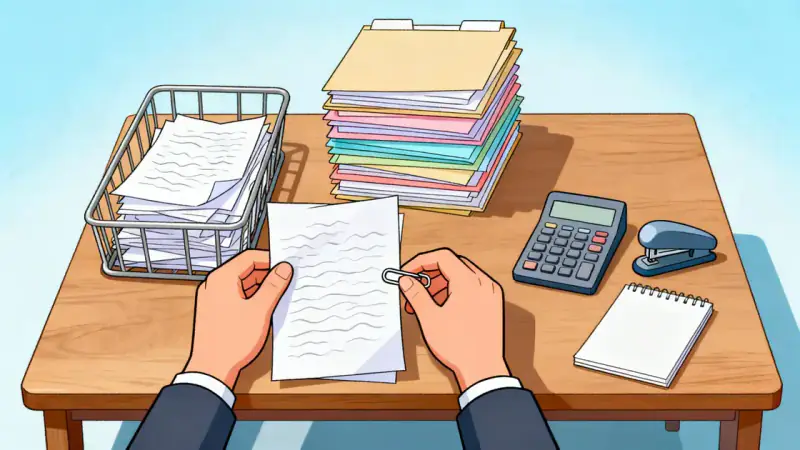
In today’s fast-paced world, managing your financial documents efficiently is more important than ever. The inability to find essential papers when you need them can cause anxiety, missed deadlines, and financial mishaps.
Learning how to organize financial documents effectively not only safeguards your financial well-being but also gives you greater control over your monetary affairs.
Whether you’re a young professional, a busy parent, or someone prepping for retirement, having a solid organizational system can transform how you approach your finances. This article will inspire and guide you with practical, step-by-step methods to create a trustworthy and manageable filing system that lasts.
Why Organizing Financial Documents Matters
Having a cluttered collection of bills, receipts, bank statements, tax returns, and insurance policies can lead to unnecessary stress and financial confusion. Without order, important documents become misplaced, deadlines get overlooked, and crucial information becomes difficult to access.
Conversely, a well-organized financial documentation system offers multiple benefits:
- Quick access in emergencies or audits
- Accurate tracking of expenses and income
- Simplified tax preparation and filing
- Improved budgeting and financial decision-making
- Enhanced peace of mind and less stress
Starting with a purposeful mindset about organization lays the foundation for a healthier, more controlled financial life.
Step 1: Gather All Your Financial Documents
The first and most crucial step is to gather every financial paper you can find. This includes everything from recent pay stubs and credit card statements to insurance policies and investment documents. Don’t forget smaller or easily overlooked items such as warranty receipts, mortgage papers, and even digital files stored across devices.
Dedicate a quiet time to collect files from drawers, emails, your car, and any other storage spots. Having all your documents in one place will give you the big picture and help you determine what to keep, shred, or digitize.
Step 2: Sort and Categorize Your Documents
Once collected, sorting your paperwork into manageable categories creates the backbone of your organizational system. Organizing by category allows easy retrieval and reduces confusion.
Common categories include:
- Income documents (pay stubs, tax returns)
- Bank and credit card statements
- Loan and mortgage paperwork
- Insurance policies (health, auto, home)
- Receipts and warranties
- Investment and retirement accounts
- Legal documents related to finances
Use color-coded folders or clearly labeled binders to keep items visually distinct. Adding subcategories—for example, separating recent tax returns from older ones—can make things even clearer.
Step 3: Choose Between Physical and Digital Organization
In the digital era, organizing documents is no longer limited to paper files. Many people prefer a hybrid approach that combines physical storage with digital backups for maximum accessibility and security.
Physical storage benefits include tangible control, no dependence on technology, and ease of use for paper-only documents. To maximize physical organization:
- Use sturdy, labeled folders and binders
- Invest in a filing cabinet or secure drawer
- Create an index for quick reference
- Keep sensitive information locked away
Conversely, digital organization introduces the benefits of space-saving, searchability, and ease of sharing. To optimize digital record keeping:
- Scan or photograph physical documents with high resolution
- Organize files in clearly marked folders on your computer or cloud storage
- Use document management software or apps
- Password-protect sensitive files
- Back up data regularly to avoid loss
Regardless of your preferred method, consistency is the key to maintaining order in the long term.
Step 4: Create a Regular Maintenance Schedule
Organizing financial documents isn’t a one-time project; it requires regular upkeep. Set aside time every month or quarter to review new statements, update your files, and discard outdated papers.
Tips for effective maintenance include:
- Schedule reminders to file or scan documents promptly
- Shred documents past their retention period to prevent clutter
- Review your categories and adjust for changes in your financial life
- Update your passwords and security protocols periodically
Developing this habit ensures your financial documents stay relevant and manageable.
Step 5: Secure Your Financial Information
Your financial documents contain sensitive data that can lead to identity theft if mishandled. Protecting your information is as important as organizing it.
Follow these security best practices:
- Use a locked filing cabinet or box for physical papers
- Use complex, unique passwords and two-factor authentication for digital files
- Never share documents unnecessarily
- Keep antivirus software and firewalls up to date on devices storing financial info
Being proactive about security prevents potential financial loss and preserves your peace of mind.
Common Mistakes to Avoid
While organizing financial documents may sound straightforward, many stumble on common pitfalls that reduce effectiveness:
- Accumulating unnecessary papers – keep only what’s needed
- Failing to label folders clearly – causes confusion later
- Ignoring outdated files – leads to clutter and distraction
- Neglecting backups of digital files – risks data loss
- Infrequent maintenance – chaos builds over time
Being aware of these errors helps you build a system tailored for success.
Embrace Control and Confidence
Organizing your financial documents is more than an administrative task; it is a path to mastering your financial life. Establishing clear systems frees you from the chaos and anxiety of misplaced papers, missed deadlines, or last-minute scrambling.
The benefits transcend practicality: you feel empowered, confident, and ready to face financial decisions with clarity.
Take this moment to commit to organizing your financial documents, knowing that each step brings peace of mind, increased efficiency, and a stronger hold on your financial future.
With persistence and the practical strategies outlined here, you will create a resilient financial record system that serves you well for years to come.