How to Save Money on Groceries Each Week: Simple Steps to Real Savings
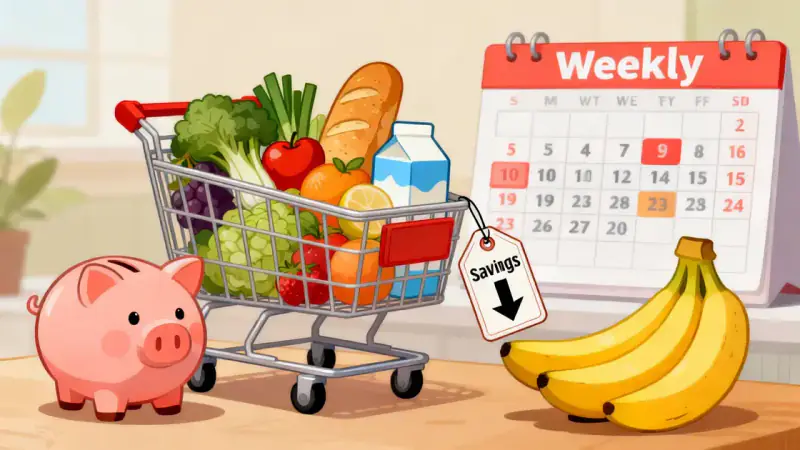
Shopping for groceries can feel overwhelming, especially as prices rise and household budgets get tighter. If you’ve ever stared at your receipt in disbelief or wondered how your weekly food purchases eat up such a huge portion of your paycheck, you aren’t alone.
The good news is that by learning how to save money on groceries each week, you can take back control, ease the pressure, and even find joy in smart shopping.
Saving on groceries is more than just clipping coupons—it’s about changing your approach and embracing a new mindset. With a few purposeful shifts in your routine and a willingness to try fresh strategies, you can slash your grocery bill while still eating well and nourishing your loved ones.
The Foundation: Mindful Meal Planning
Every dollar saved at the grocery store begins with a strong plan. Instead of making impulse purchases or heading to the store without a list, dedicate a small block of time each week to plan your meals.
Planning helps you use up what you already have, avoid buying duplicates, and opt for dishes that share similar ingredients, thus minimizing waste. Review your pantry, refrigerator, and freezer before deciding what meals to prepare.
- Prep a weekly menu that reflects your family’s schedule—include quick dinners for busy nights and larger meals with leftovers for days when you have more time.
- Search for recipes that use similar core ingredients to reduce overbuying.
- Double-check expiration dates to use ingredients before they spoil.
With your menu in hand, you can now make the leap to the next crucial step—creating a targeted grocery list.
Building a Purposeful Grocery List
A detailed list is your best defense against impulsive purchases and wasted money. Stick to your list strictly; every unplanned item that lands in your cart chips away at your weekly savings goal.
Consider breaking your list into categories such as produce, dairy, pantry items, proteins, and frozen foods. This not only streamlines your shopping but also makes it easier to spot bargains or avoid costly “convenience” snacks and single-serve items.
- Schedule your shopping trips for times when stores are less crowded, as waiting and distractions often lead to unnecessary purchases.
- Check your preferred store’s weekly flyer or app for any special deals relevant to your list.
If you’re tempted by items that aren’t on your list, remind yourself of the bigger picture—every extra dollar spent is a dollar less for your savings or other needs.
The Power of Seasonal and Local Choices
Choosing seasonal fruits and vegetables is one of the fastest ways to save money and get better-quality produce. In-season items are more abundant, so stores often price them lower to move the inventory quickly.
Don’t overlook local markets or farm stands. Prices can be surprisingly competitive, and you’re supporting your community in the process.
Stock up on staples like rice, beans, or pasta when they’re on sale and store them in airtight containers. Buying in bulk can offer significant savings over time, especially for non-perishable goods you know you’ll use.
Couponing, Discounts, and Loyalty Programs
Learning the art of couponing doesn’t require extreme effort. Often, digital coupons and loyalty rewards programs provide easy savings without clip-and-carry hassles. Consider downloading your supermarket’s app or signing up for their email list to receive exclusive discounts and personalized offers.
- Look for “Buy One, Get One” deals on products you use frequently.
- Stack manufacturer’s coupons with in-store deals whenever possible.
- Pay attention to manager’s specials or markdowns, especially in produce, meat, or bakery sections.
Just remember, a deal isn’t a bargain if you weren’t planning to buy the item!
Brand Choices and Smart Substitutions
While name brands can be enticing, many store brands or generic products offer similar quality at a much lower price. Give these alternatives a try, especially for pantry basics or cleaning supplies.
Train your palate and your family’s expectations to accept different brands—often the main difference is packaging, not taste or nutrition.
Be flexible with your recipes. If chicken breasts are expensive this week, choose thighs or turkey. Let price dictate your protein instead of sticking to a set plan regardless of cost.
Shopping Habits to Avoid Overspending
Sometimes our routines can undermine the best intentions. Shopping while hungry or rushed can lead to grabbing extra snacks, sweets, or premade meals, which inflate your total cost.
Try these strategies to avoid regret at the register:
- Eat a light snack before you shop to avoid impulse hunger buys.
- Don’t stray from your list, no matter how tempting new products look.
- Give yourself a set budget, and use cash instead of cards for extra discipline.
Transforming Small Savings into Big Change
Each small choice adds up over weeks and months. Being intentional about your spending can free up money for other priorities or simple joys, from an emergency fund to a fun family night out. To help visualize the difference, see the example table below:
| Weekly Saving Habit | Estimated Weekly Savings | Annual Impact |
|---|---|---|
| Meal Planning | $15 | $780 |
| Couponing & Loyalty Programs | $10 | $520 |
| Bulk and Store Brand Buying | $8 | $416 |
Altogether, these simple actions can keep thousands of dollars in your pocket each year—a true transformation for most households.
Inspire Your Family and Strengthen Habits
Saving money on groceries isn’t about deprivation or constant sacrifice. It’s about taking control with mindful choices and feeling empowered. Each week you stick to your plan, you’re proving to yourself—and your family—that sustainability and smart habits are within reach.
Celebrate your progress, share your victories, and stay flexible as prices or family needs change. With determination and creativity, you’ll find even more ways to keep your grocery budget in check, all while enjoying delicious and nutritious meals at home.
Every step forward reaffirms your resourcefulness and resilience. Empower yourself to make each dollar count and discover how the journey to save money on groceries brings rewards that go far beyond a smaller bill at checkout.