How to Stop Procrastinating: Simple Strategies That Work
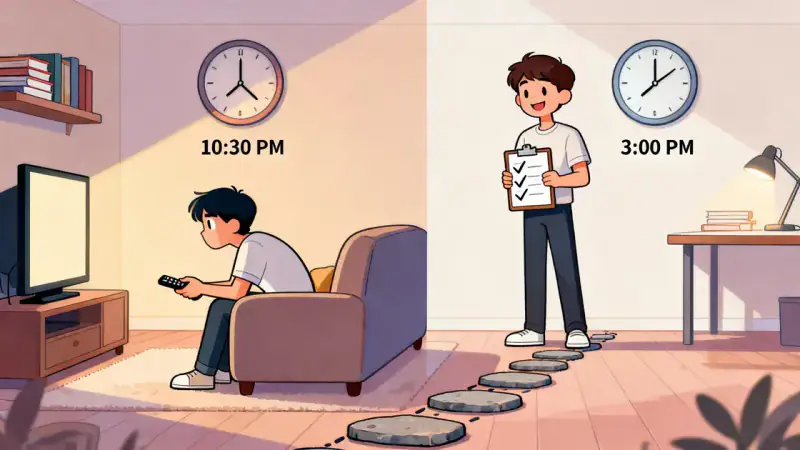
Procrastination is a common issue that affects many people. Understanding how to stop procrastinating can change your productivity levels drastically. By focusing on effective strategies, you can overcome delays and achieve your goals.
Each step to stop procrastinating helps you gain control over your time and tasks. Learning to identify what holds you back is crucial for personal growth.
Continue reading for surprising insights and practical tips that can transform your habits and boost your efficiency.
Understanding Procrastination
Understanding procrastination is essential for improving productivity, especially when learning How to Stop Procrastinating in daily life. Many people struggle with delaying important tasks for various reasons, and recognizing these causes helps in developing effective strategies to overcome this habit.
Procrastination is not simply about laziness. It is often connected to anxiety, fear of failure, or low motivation.
By identifying and addressing these underlying emotions, individuals can take practical steps toward change and better understand How to Stop Procrastinating consistently.
Common symptoms include feeling overwhelmed, difficulty starting tasks, or constantly shifting priorities. Recognizing these patterns is the first step to breaking the cycle and building healthier, more productive habits.
Common Causes of Procrastination
Common causes of procrastination vary from person to person. Understanding these triggers can help address the problem effectively. Often, procrastination arises from feelings like fear and anxiety.
Other factors include perfectionism, where individuals delay tasks to avoid making mistakes. Lack of clear goals can also lead to procrastination, making it hard to know where to start.
Here are some key causes of procrastination:
- Fear of failure can stop people from starting a task.
- Perfectionism pushes individuals to avoid tasks until they can do them perfectly.
- Lack of motivation makes tasks seem unimportant.
Impact of Procrastination on Life
The impact of procrastination on life can be quite significant. It affects not only productivity but also mental health and stress levels. Constant delays can lead to feelings of guilt and anxiety.
Additionally, procrastination can result in missed deadlines and lost opportunities. It often creates a cycle of avoidance that can be hard to break.
Key impacts of procrastination include:
- Increased stress from unfinished tasks.
- Lower quality of work due to rushed deadlines.
- Strained relationships because of unmet commitments.
Setting Clear Goals
Setting clear goals is crucial for overcoming procrastination. Clear goals provide direction and make tasks feel more manageable. When you know what you want to achieve, it becomes easier to focus your efforts.
Specific goals help break down larger projects into smaller steps. This clarity can boost motivation and reduce feelings of being overwhelmed.
Here are key features of effective goals:
- Specific: Clearly define what you want to accomplish.
- Measurable: Set criteria to track your progress.
- Time-bound: Establish deadlines to create a sense of urgency.
Using Time Management Techniques
Using time management techniques can significantly reduce procrastination. These techniques help you organize tasks and set priorities. When you manage your time effectively, you can complete tasks more efficiently.
Effective time management reduces stress, as it allows you to feel more in control. Techniques like blocking out specific periods for work can lead to greater focus.
Here are a few helpful time management techniques:
- Prioritization: Identify the most important tasks to tackle first.
- Time Blocking: Allocate specific time slots for each task.
- The Pomodoro Technique: Work for 25 minutes, then take a 5-minute break.
Using the Pomodoro Technique
The Pomodoro Technique is a popular time management method. It helps fight procrastination by breaking work into short, focused intervals. Each interval is called a “Pomodoro,” named after the Italian word for tomato, as many use tomato timers.
This technique encourages short breaks to recharge your mind. Working in bursts helps maintain focus and productivity.
Key steps to using the Pomodoro Technique include:
- Choose a task to work on.
- Set a timer for 25 minutes.
- Work until the timer goes off, then take a 5-minute break.
Tracking Your Progress
Tracking your progress is essential for overcoming procrastination. It allows you to see how much you have accomplished. By keeping a record, you can stay motivated and adjust your strategies as needed.
Regularly reviewing your progress also helps identify what works and what doesn’t. This insight can lead to more effective habits and greater focus.
Here are some tips for tracking your progress:
- Use a journal or app to note completed tasks.
- Set milestones and celebrate small victories.
- Review your goals weekly to stay on track.
Seeking Professional Help
Seeking professional help can be a vital step in overcoming procrastination, especially when learning How to Stop Procrastinating in a consistent and healthy way. Sometimes, self-help strategies are not enough, and professional guidance can provide new perspectives and practical tools.
Therapists and coaches can offer personalized strategies tailored to your specific needs and goals. They help identify underlying issues, such as anxiety or fear of failure, that may be contributing to procrastination and blocking progress.
In addition, joining a support group can provide motivation, accountability, and shared experiences. Being surrounded by others with similar challenges reinforces commitment and supports long-term change when applying How to Stop Procrastinating effectively.