How to Structure a Productive Workday for Peak Performance
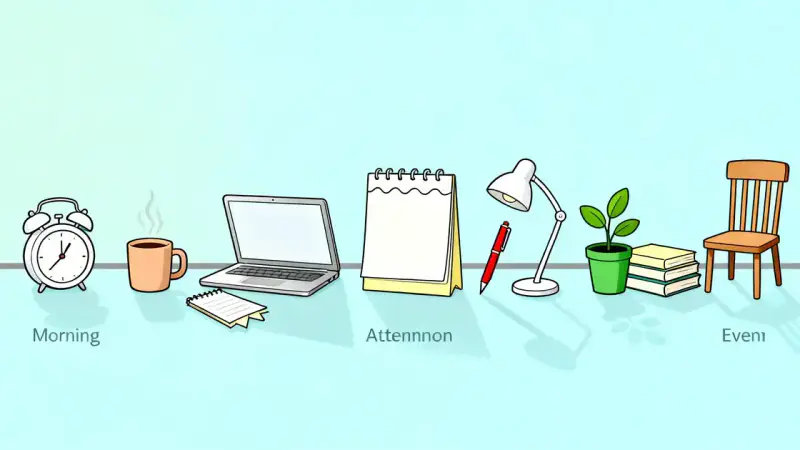
Every day presents an opportunity to achieve goals, make progress, and feel accomplished. Yet, many struggle with distractions, fatigue, or unclear priorities that hinder their ability to be productive.
Learning how to structure a productive workday is essential for anyone looking to unlock their potential, stay motivated, and enjoy a fulfilling work-life balance.
This article delves into practical strategies and mindset shifts that will help you craft a daily routine designed for peak performance. From morning rituals to time management techniques, you’ll discover effective ways to design your workday to sustain focus, energy, and creativity.
The Power of a Morning Routine
How you begin your day sets the tone for everything that follows. Establishing a consistent and intentional morning routine equips you to face challenges with clarity and confidence.
Start by waking up at a regular time that allows you to prepare without rushing. Incorporate activities that energize your mind and body—such as light exercise, meditation, or journaling. These habits prime your brain for concentration and reduce stress.
Creating a calm and focused start cements a foundation for productivity and helps prevent procrastination.
Prioritizing Tasks and Setting Clear Goals
One of the biggest productivity killers is a vague or overwhelming task list. To overcome this, it’s crucial to prioritize your work. Begin by listing everything you need to accomplish and then categorize tasks by urgency and importance.
You can use methods like the Eisenhower Matrix or ABC prioritization to identify which activities deserve your attention first.
Setting clear, actionable goals for each day helps you track progress and maintain motivation. Break larger projects into smaller subtasks to make them manageable and less intimidating.
- Focus on high-impact tasks during peak energy hours
- Limit multitasking to improve concentration
- Set realistic deadlines to stay accountable
Implementing Time Blocking for Focused Work
Time blocking is a powerful technique wherein you allocate fixed periods for specific tasks or groups of tasks. This method minimizes distractions and gives your brain a clear signal about what to concentrate on.
Start by reviewing your prioritized list and assigning blocks during your most alert times. For example, reserve morning hours for deep work like writing or problem-solving, and afternoons for meetings or responding to emails.
Resisting interruptions during these blocks enhances productivity and ensures steady progress throughout the day.
- Use digital calendars or planners to visualize your blocks
- Include buffers between blocks for transition and short breaks
- Adjust your schedule based on real-time energy levels
The Importance of Taking Strategic Breaks
Contrary to the myth of nonstop work, breaks are essential for maintaining mental clarity and physical health. Our brains naturally lose focus after prolonged effort, so allowing yourself regular pauses can rejuvenate creativity and prevent burnout.
Consider applying the Pomodoro Technique, which encourages working 25-minute intervals followed by 5-minute breaks. Or simply listen to your body’s signals when it needs rest.
Even short moments of relaxation like stretching or deep breathing exercises can restore your productivity dramatically.
Optimizing Your Workspace Environment
Your physical surroundings play a crucial role in your ability to stay attentive and motivated. A cluttered or uncomfortable space can drain energy and distract attention.
Design your workspace to be both functional and inspiring. Ensure good lighting, comfortable seating, and minimal noise distractions. Adding plants or personal touches can create a positive atmosphere that encourages creativity.
Removing unnecessary clutter and organizing tools within reach enhances efficiency and reduces frustration.
Leveraging Tools and Technology to Stay on Track
While technology can sometimes be a distraction, the right tools can significantly boost productivity. Utilize task management apps, digital calendars, and focus-enhancing software to streamline your workflow.
For example, timer apps help with time blocking, while note-taking tools keep ideas organized. Setting notifications mindfully can remind you of deadlines without constantly interrupting your flow.
- Choose apps that sync across devices for convenience
- Use automation to reduce repetitive tasks
- Limit social media use during work hours with dedicated blockers
Maintaining Work-Life Balance for Sustained Productivity
True productivity isn’t about working more hours—it’s about working smarter while preserving your physical and emotional well-being. Striking a balance between professional responsibilities and personal time fuels happiness and long-term success.
Set boundaries such as a defined workday end time and unplug from work communications afterward. Engage in hobbies, spend time with loved ones, and prioritize sleep to recharge fully.
Recognizing signs of burnout early allows you to adjust your routine before it impacts your health or performance.
Conclusion: Key Takeaways for a Productive Workday
Structuring a productive workday is a powerful way to enhance your professional and personal life. By starting with a mindful morning routine, prioritizing clear goals, using time blocking, and allowing strategic breaks, you build a sustainable rhythm that supports achievement.
Additionally, optimizing your environment and thoughtfully leveraging tools keeps distractions at bay and focus sharp. Above all, remember that balancing work with rest and personal time ensures lasting productivity without sacrificing your well-being.
Implementing these strategies gradually will transform how you approach each day, helping you accomplish more with less stress and greater fulfillment.
Embrace the art of crafting your ideal workday—your future self will thank you for the clarity, energy, and success it brings.