Monthly Budget Planning: Master Your Finances Today
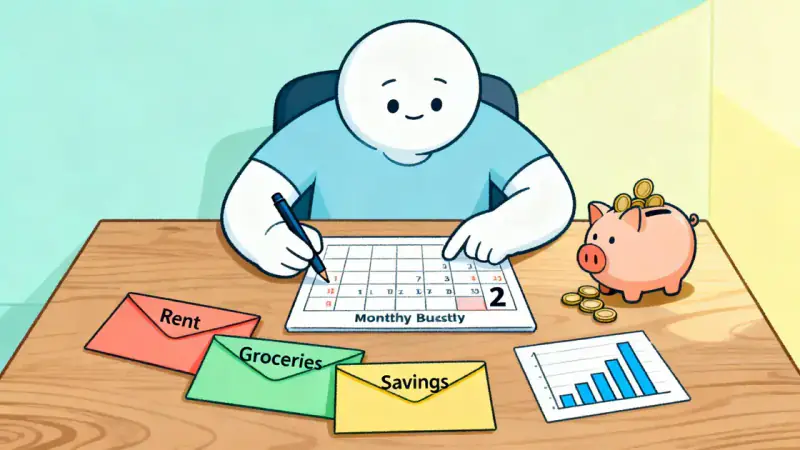
Monthly budget planning is key to managing your finances efficiently. It allows you to track expenses and savings. With a clear budget, you can make informed decisions.
Creating a monthly budget helps you identify spending habits and areas for improvement. By following simple steps, you can achieve financial stability.
Keep reading to discover effective strategies that will enhance your budgeting skills and improve your financial life.
Understanding Monthly Budget Planning
Understanding monthly budget planning is vital for financial health. It helps you control your spending and save money effectively.
With a clear budget, you can track where your money goes each month. This awareness leads to better financial choices.
Starting a budget may seem daunting, but it provides clarity and direction for your finances. Keep reading to discover how to make budgeting work for you.
Benefits of Budgeting
Budgeting offers many benefits that can improve your financial situation. It helps you track your income and spending clearly.
By knowing where your money goes, you can avoid wasteful expenses. This control leads to better financial decisions and less stress related to money.
Here are some key benefits of budgeting:
- Improved financial control
- Better saving habits
- Reduced financial stress
Steps to Create a Monthly Budget
Creating a monthly budget is a simple yet powerful step towards financial control. It helps you organize your income and spending effectively.
To start, gather all your income sources and list your expenses. This clarity will guide your budgeting process.
Here are the essential steps to create a monthly budget:
- Identify your income sources.
- List fixed and variable expenses.
- Set savings goals.
- Track your spending.
- Review and adjust regularly.
Common Budgeting Mistakes to Avoid
When budgeting, many people make common mistakes that can lead to financial issues. Awareness of these mistakes is key to successful budgeting.
One major error is not tracking all expenses, which can cause overspending. Another mistake is setting unrealistic goals that are hard to achieve.
Avoid these common budgeting pitfalls to improve your financial planning:
- Ignoring small expenses
- Focusing only on major bills
- Not revising the budget regularly
Tips for Effective Budget Management
Effective budget management is key to financial success. It allows you to keep track of your money and make better spending choices.
Staying organized and reviewing your budget often can prevent overspending. Setting clear goals also helps keep you on track.
Here are some tips for managing your budget effectively:
- Use budgeting apps to track spending.
- Set realistic savings goals.
- Review your budget monthly.
- Adjust for unexpected expenses.
- Keep receipts to monitor your spending.
Adapting Your Budget Over Time
Adapting your budget over time is crucial for staying financially healthy. Life changes can affect income and expenses, so your budget should too.
Regular adjustments ensure that your budget reflects your current situation. This may include changes like a new job, extra expenses, or saving for a goal.
Tools for Budget Planning
Tools for budget planning can make managing your finances easier. These tools help you track income, expenses, and savings goals effectively.
From apps to spreadsheets, there are many options available. Each tool can fit different styles and needs, making budgeting simpler.
Consider these popular tools for effective budget planning:
- Budgeting apps like Mint and YNAB
- Spreadsheets for personalized tracking
- Envelope systems for cash management
- Financial software for detailed reports
Savings Strategies
Savings strategies are essential for building financial stability. Having a solid plan helps you achieve your financial goals more effectively.
Different methods can boost your savings. Understanding these options allows you to find what works best for your needs.
Consider these effective savings strategies:
- Set specific savings goals for short- and long-term needs.
- Automate transfers to savings accounts to make saving easier.
- Use a high-interest savings account to earn more on your savings.
- Review and adjust your budget to find extra savings.
Adjusting Your Budget for Emergencies
Adjusting your budget for emergencies is essential to staying financially secure. Unexpected events can happen at any time, and having a flexible approach to monthly budget planning can greatly reduce stress and financial pressure.
When an emergency occurs, it’s important to review and modify your budget quickly. This helps you reallocate funds to urgent needs while maintaining control over essential expenses, making monthly budget planning a key habit for long-term stability.