Personal Finance Tips for Young Adults: Start Smart Today
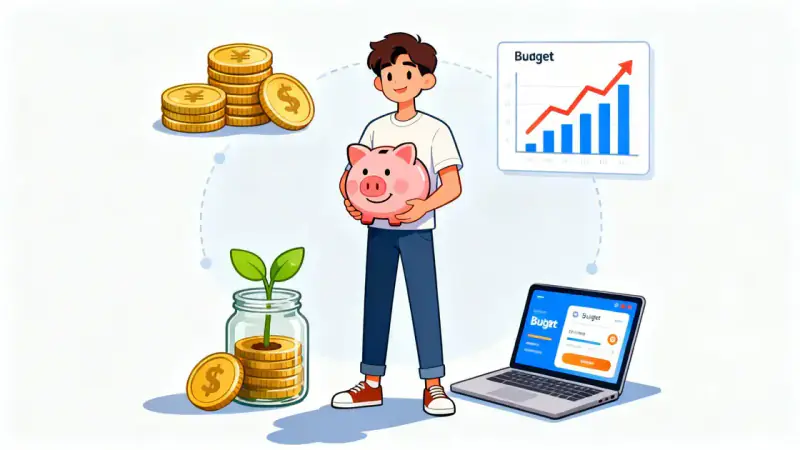
Personal finance tips for young adults are crucial for financial success. Learning how to manage money effectively can set the foundation for a secure future. Understanding budgeting, saving, and investing can make a big difference in reaching your goals.
Young adults often face unique financial challenges like student loans and starting their careers. However, with the right strategies, these challenges can be met head-on. Taking control of your finances now can lead to a brighter tomorrow.
Keep reading to discover essential tips that can help you navigate your financial journey!
Understanding Budgeting Basics
Understanding budgeting basics is essential for young adults. A budget helps track income and expenses. This knowledge empowers better spending decisions and savings, making it easier to apply Personal Finance Tips for Young Adults.
A budget also sets clear financial goals. It shows you where money goes each month. This can prevent overspending and increase savings, supporting Personal Finance Tips for Young Adults in everyday life.
Developing a budget is a simple process. First, list all income sources. Then, account for all necessary expenses like rent and groceries.
Finally, adjust your spending habits based on your budget. Following this process can lead to healthier financial habits.
The Importance of Saving Early
The importance of saving early cannot be overstated. Starting to save money as a young adult sets the stage for a secure financial future. When you save early, you benefit from compound interest, which means your money can grow over time.
Saving early also allows for more flexibility in financial planning. You can handle emergencies or unexpected expenses with ease. It creates a safety net that gives peace of mind.
How to Use a Savings Account
Using a savings account is a smart way to manage and grow your money. A savings account is designed to hold your money while earning interest. It’s a safe place compared to keeping cash at home and aligns well with Personal Finance Tips for Young Adults.
To use a savings account effectively, start by choosing the right bank. Look for accounts with low fees and higher interest rates. Opening the account is usually quick and can often be done online, making it a practical application of Personal Finance Tips for Young Adults.
Smart Spending Habits
Smart spending habits can transform your financial life. Learning to spend wisely helps you save more and enjoy life without worry. Small changes in your daily expenses can lead to significant savings over time.
Incorporating smart habits means prioritizing needs over wants. This simple shift can prevent impulse buying. Planning your purchases in advance also helps ensure you only buy what you truly need.
Consider these key smart spending habits:
- Create a shopping list before heading out.
- Compare prices to find the best deals.
- Limit eating out to save money.
Credit Scores and Young Adults
Credit scores play a significant role in young adults’ financial lives. A credit score is a number that shows how good you are at paying back borrowed money. Most lenders use this score to decide whether to give you a loan or a credit card.
For young adults, building a good credit score can open doors to better financial opportunities. This can include lower interest rates on loans or easier approval for rental applications.
Consider these important factors that affect credit scores:
- Payment history: Pay your bills on time.
- Credit utilization: Keep balances low compared to limits.
- Length of credit history: Start building credit early.
Basics of Investing for Beginners
Basics of investing for beginners are essential to growing your money over time. Investing is about putting your money into assets that can increase in value. This can include stocks, bonds, or real estate.
Starting as a beginner can seem overwhelming. But understanding a few key concepts can make investing easier. It’s important to know your risk tolerance and set clear financial goals before diving in.
Here are some beginner investing tips:
- Start with small amounts of money.
- Diversify your investments to reduce risk.
- Research before making investment decisions.
Creating a Financial Plan
Creating a financial plan is essential for managing money effectively. A financial plan helps set clear goals and outlines steps to achieve them. It can guide you in making informed spending, saving, and investing choices.
Start by assessing your current financial situation. This includes tracking income, expenses, and savings. Understanding where you stand is crucial in planning for the future.
Key elements of a strong financial plan include:
- Setting short-term and long-term financial goals.
- Creating a budget to manage your monthly expenses.
- Planning for retirement and emergencies.
Emergency Funds 101
Emergency funds 101 is crucial for financial security. An emergency fund is money set aside for unexpected expenses, such as medical bills or car repairs. Having this fund can prevent financial stress during tough times.
It’s best to aim for three to six months’ worth of living expenses in your emergency fund. This cushion protects you and helps you manage sudden financial changes.
Key benefits of having an emergency fund include:
- Peace of mind during financial uncertainty.
- Protection against high-interest debt.
- Ability to focus on long-term goals.
Managing Student Loans Wisely
Managing student loans wisely is crucial for your financial future. Student loans can provide needed funds for education but must be handled carefully. Understanding the terms and conditions of your loans will help you make informed decisions.
Start by keeping track of all your loans and their interest rates. Make a repayment plan that fits your budget and avoid missing payments to prevent extra fees.
Key strategies for managing loans include:
- Pay more than the minimum payment to reduce interest.
- Look for student loan forgiveness programs.
- Consider consolidation if you have multiple loans.
Building Wealth in Your 20s
Building wealth in your 20s is a key step towards financial independence. Starting early allows your money to grow over time through investments and savings. Understanding how to manage your finances now can lead to greater opportunities in the future, following Personal Finance Tips for Young Adults.
Focus on creating a budget that helps you track your income and expenses. This will help you save and invest wisely. Also, consider starting retirement savings even at a young age, applying Personal Finance Tips for Young Adults in your daily financial planning.