Simple Techniques to Review Spending Patterns Effectively
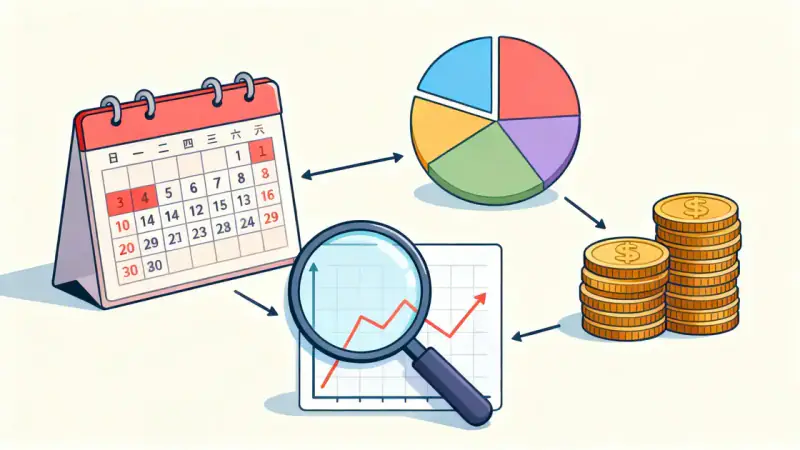
Managing personal finances can often feel overwhelming, especially when money seems to disappear faster than expected. However, developing a clear understanding of your spending habits is an essential step toward gaining control over your financial future. Simple techniques to review spending patterns can empower anyone to make smarter choices, save more, and reduce unnecessary expenses.
In this article, we will explore practical methods to help you identify where your money goes, analyze your habits, and make meaningful adjustments without complicated processes or financial jargon. By following these steps, you can create a healthier relationship with money and set yourself on a path toward financial stability.
Why Reviewing Spending Patterns Matters
Before delving into techniques, ’s important to understand why spending patterns deserve your attention. Your spending habits reflect your values, priorities, and lifestyle choices. By examining these patterns closely, you gain invaluable insights that allow you to:
- Identify wasteful or impulsive spending that may be unnoticed in day-to-day life.
- Pinpoint areas where you can cut back without sacrificing quality of life.
- Increase savings by reallocating funds from non-essential expenses.
- Set realistic and achievable financial goals based on actual behavior.
- Build awareness and mindfulness around money management decisions.
Without this reflection, many people remain unaware of how small purchases add up to significant monthly or yearly costs. This lack of awareness can lead to stress, debt, and the feeling of never having enough.
Simple Steps to Start Reviewing Your Spending
Getting started with reviewing your spending patterns does not require complex software or professional help. With a little discipline and clear steps, anyone can gain clarity and insight. Here are some simple techniques that work effectively:
Track Every Expense Meticulously
The foundation of reviewing your spending is knowing exactly what you spend and when. This requires diligent tracking of every expense, no matter how small.
Use a notebook, spreadsheet, or budgeting app to record your purchases daily. Include all forms of spending such as cash withdrawals, credit card purchases, subscriptions, and miscellaneous expenses. Make it a habit to note your spending immediately or review receipts at the end of each day to avoid missing any items.
This level of commitment might seem tedious at first, but it creates a comprehensive record that reveals true spending behavior. Over time, you’ll begin to recognize patterns and recurring costs.
Categorize Your Spending for Clearer Insights
Once you have a detailed list of expenses, the next step is to group them into categories that reflect your financial priorities. Categories could include:
- Housing (rent, mortgage, utilities)
- Food and groceries
- Transportation (gas, public transit, car maintenance)
- Entertainment and dining out
- Healthcare and insurance
- Debt payments
- Savings and investments
- Miscellaneous or impulse purchases
Categorizing spending helps you visualize which areas consume most of your income. It also highlights non-essential categories where cutbacks might be possible. Over time, these insights can help you prioritize your budget based on what matters most.
Analyze Your Monthly Statements
Besides tracking daily expenses, reviewing bank and credit card statements is a critical technique. These statements provide a documented overview of your spending and can alert you to hidden fees, automatic subscriptions you forgot about, or unusual transactions.
Carefully examine statements month to month to uncover recurring charges or spikes in spending. Mark items that seem unnecessary or that you could reduce. This practice encourages vigilance and can prevent money from leaking unnoticed.
Set Clear, Achievable Financial Goals
Understanding your spending is only as useful as the actions you take following the review. Once you have a solid grasp of your habits, it’s time to define clear financial goals. These might include:
- Building an emergency savings fund
- Paying off credit card debt
- Saving for a down payment on a home
- Allocating funds for education or retirement
- Reducing monthly expenses by a specific amount
Aligning your spending review with your goals makes the process meaningful and motivating. Each adjustment you make should be a step toward fulfilling these objectives, making your financial journey purposeful and rewarding.
Utilize Tools and Technology to Simplify Review
Modern technology offers numerous tools to ease the review process. Budgeting apps, financial trackers, and even spreadsheet templates can automate categorization and highlight trends visually. Many apps provide notifications, reports, and reminders that keep you engaged with your finances regularly.
While technology is helpful, the real power lies in commitment to consistent review and reflection. Choose tools that fit your lifestyle and preferences, and keep them simple enough to maintain long term.
Common Pitfalls to Avoid
As you begin reviewing your spending patterns, be mindful of potential errors that can undermine your progress:
- Neglecting to track all expenses, leading to incomplete data.
- Ignoring emotional spending triggers and not addressing underlying causes.
- Setting unrealistic goals, which result in frustration and giving up.
- Overloading on complex tools or too much data, causing burnout.
- Failing to revisit and adjust your review process regularly.
Recognizing these pitfalls early ensures that your efforts lead to lasting positive changes rather than temporary awareness.
Conclusion: Embrace Your Financial Power
Reviewing your spending patterns with simple, manageable techniques is a transformative practice that opens the door to financial freedom and peace of mind. It requires honest reflection, discipline, and patience, but its rewards are profound.
By tracking expenses carefully, categorizing spending, analyzing statements, and setting purposeful goals, you cultivate awareness that dismantles money stress and empowers wise decision-making.
Remember that financial management is a journey, not a destination. Each small step of reviewing and refining your habits builds momentum towards a secure, fulfilling financial future. Begin today with these techniques and watch your relationship with money blossom into one of control, confidence, and hope.
Your journey to financial clarity awaits—embrace it with courage and commitment.