Strategies to Avoid Unnecessary Spending: Save Smart Today
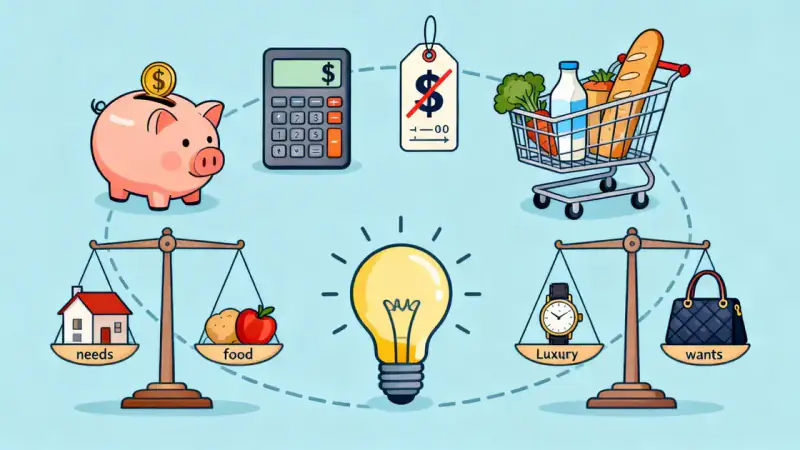
In today’s world, controlling your finances can often feel like an uphill battle. With a constant barrage of advertisements, tempting sales, and easy access to online shopping, it’s all too common to fall into the trap of unnecessary spending.
However, understanding and implementing effective strategies to avoid unnecessary spending can not only save you money but also empower you to build a secure financial future.
Avoiding frivolous expenses is not just about restricting yourself—it’s about making intentional choices that align with your priorities and values. This article will dive deep into actionable steps and mindsets to help you reclaim control over your financial habits.
Understanding the Roots of Unnecessary Spending
Before tackling the problem, it’s essential to recognize why we spend more than we need. Unnecessary spending often stems from emotional triggers, social pressures, and habits formed over time. Whether it’s buying that extra coffee, splurging on gadgets, or succumbing to impulsive online deals, these actions accumulate and can seriously undermine your financial health.
Additionally, the convenience of digital payments and credit cards often distances us from the real impact of our spending. When money feels intangible, it can be easier to lose track of where it’s going. Recognizing these underlying causes helps pave the way for meaningful change.
The Power of Tracking Your Expenses
One of the most effective strategies to avoid unnecessary spending begins with awareness. Keeping a detailed record of every purchase—no matter how small—can be eye-opening. This process brings clarity and highlights spending patterns that might have gone unnoticed.
By tracking expenses, you uncover areas where you tend to overspend and can start targeting those categories for adjustment. Whether you use a mobile app, a spreadsheet, or a simple notebook, dedicating time each day or week to review your outflows is invaluable.
Creating a Realistic Budget That Works
Once you understand your spending habits, the next step is to develop a budget that reflects your financial goals and lifestyle. A successful budget is not about strict limitations but sustainable planning. It should include:
- Income allocation to essentials like rent, utilities, and groceries
- Planned savings contributions
- Discretionary spending allowances
Adhering to a well-crafted budget can significantly reduce impulse purchases because you have a clear roadmap of where your money should go. Furthermore, regularly revisiting and tweaking your budget ensures it evolves with your changing circumstances.
Techniques to Curb Impulse Buying
Impulse buying is a major contributor to unnecessary expenses. The good news is, several strategies can help restrain impulsive decisions:
- Implement a waiting period: Before making non-essential purchases, wait 24-48 hours to reassess if the item is truly needed.
- Limit exposure to tempting environments: Avoid browsing shopping websites or stores without a clear purpose.
- Use cash instead of cards: Physically handing over cash can create a more tangible sense of spending, making you think twice.
Training your mind to pause and reflect before purchasing can drastically cut back unnecessary expenses and help you regain financial control.
Prioritizing Needs Versus Wants
A critical aspect of strategies to avoid unnecessary spending is learning to distinguish between needs and wants. Needs are items essential for your wellbeing and daily life, while wants are additional luxuries or non-essential products you could live without.
When faced with a purchase decision, ask yourself:
- Does this item fulfill a basic necessity?
- Will not buying this negatively impact my life or wellbeing?
- Is this purchase aligned with my financial goals?
This reflection helps cultivate mindful spending habits and strengthens your ability to resist unnecessary expenses.
Using Cash Instead of Cards for Purchases
Credit and debit cards offer convenience, but they might unintentionally encourage overspending. Paying with cards can make transactions feel less “real” than handing over physical money, which often leads to higher spending.
CARRYING and using cash for your daily expenses can help you stay within limits. Setting a cash budget for certain categories and sticking to it compels you to be more conscious about your spending choices.
Long-Term Benefits of Smart Spending Habits
Adopting strategies to avoid unnecessary spending is not merely an exercise in restraint—it’s an investment in your future. When you systematically reduce frivolous expenses, you free up resources that can be channeled into savings, investments, or paying off debts.
This financial freedom can reduce stress, increase opportunities, and give you the confidence to pursue your dreams without the burden of monetary anxiety. Remember, every step toward mindful spending brings you closer to financial empowerment.
Summary Table: Quick Review of Spending Strategies
| Strategy | Description | Key Benefit |
|---|---|---|
| Track Expenses | Record all purchases to identify spending patterns | Gains clear insight into where money goes |
| Create Budget | Plan income allocation for needs, wants, and savings | Controls overspending and ensures financial goals |
| Pause Purchases | Wait before buying non-essential items | Reduces impulse buying |
| Use Cash | Pay physically instead of cards | Promotes mindful spending |
Final Thoughts
Mastering strategies to avoid unnecessary spending is a transformative journey that requires intention, discipline, and patience. But the rewards—greater financial stability, less stress, and freedom to pursue what truly matters—are well worth the effort.
Take the time to implement these approaches one step at a time. Celebrate small victories along the way, and remember: mindful spending is not about deprivation but about empowerment and respect for your hard-earned money.
Your future self will thank you for the decisions you make today.