Weekly Planning Strategy: Master Your Schedule Like a Pro
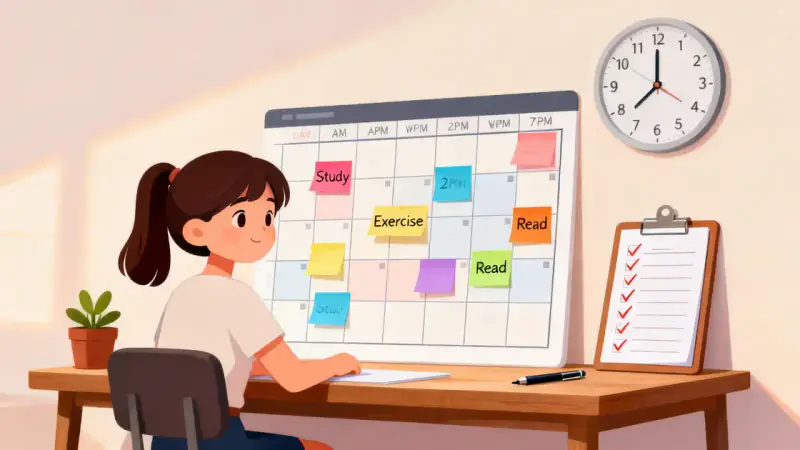
A weekly planning strategy helps individuals organize their time efficiently. It allows for better management of tasks and goals. Effective planners often experience increased productivity and reduced stress.
By dedicating just a few minutes each week to plan, you can create a clear roadmap for success. This small effort can lead to significant improvements in how you manage your time.
Keep reading to discover practical tips and tools for mastering your weekly planning techniques!
What is a Weekly Planning Strategy?
A weekly planning strategy is a method to organize tasks for the week. It helps streamline your schedule and makes daily objectives clear.
This strategy allows individuals to prioritize what needs to be done. It can include work, school, or personal commitments.
A well-structured weekly plan can lead to better time management and improved efficiency.
Benefits of Using a Weekly Planning Strategy
Using a weekly planning strategy has many benefits. It helps you manage your time better and stay focused on important tasks. You can visualize your week and avoid last-minute rushes.
With a plan in place, you can also reduce stress. This way, you know exactly what needs to be done each day.
Consider the following key benefits:
- Improves time management skills
- Enhances productivity and focus
- Reduces stress and overwhelm
How to Create a Weekly Plan
Creating a weekly plan is a straightforward process. Start by identifying all your tasks and responsibilities for the week. Make a list that includes work, school, and personal duties.
Next, prioritize these tasks by importance. Decide which tasks must be done first and which can be scheduled later.
Finally, allocate specific times for each task on your weekly calendar. This structure will help you stay organized and on track.
Tools to Enhance Your Weekly Planning
Several tools can enhance your weekly planning. First, digital calendars like Google Calendar help you organize tasks efficiently. You can set reminders and share your schedule with others.
Next, to-do list apps such as Todoist allow you to manage tasks easily. You can categorize tasks and even schedule them for specific days.
Finally, planners or bullet journals can provide a personal touch. Writing tasks down can help reinforce your commitments.
- Digital calendars for easy scheduling
- To-do list apps for task management
- Planners for a personalized approach
Common Mistakes in Weekly Planning
A common mistake in weekly planning is overloading your schedule. When you add too many tasks, it becomes hard to focus on important ones. This can lead to stress and frustration.
Another mistake is failing to prioritize effectively. Not all tasks are equally important, and neglecting this can result in missed deadlines.
Also, many forget to leave time for breaks. Taking breaks is crucial for maintaining energy and focus throughout the week.
- Overloading your schedule with too many tasks
- Ignoring the importance of task prioritization
- Neglecting to schedule breaks into your plan
Adjusting Your Weekly Plan
Adjusting your weekly plan is important for maintaining effectiveness. Life is unpredictable, and tasks may shift unexpectedly. Regularly review your plan to see what’s working and what isn’t.
When changes arise, don’t be afraid to reallocate your time. Moving less important tasks to a later date can help you focus on urgent responsibilities.
Flexibility in your schedule will lead to better time management and less stress.
Maintaining Flexibility in Your Schedule
Maintaining flexibility in your schedule is key to effective weekly planning. Plans can change unexpectedly, so it’s important to adapt. Allowing for adjustments helps you deal with new priorities without feeling overwhelmed.
Flexibility also promotes a healthier work-life balance. It lets you enjoy unexpected moments while keeping your tasks manageable.
Consider these benefits of being flexible in your planning:
- Reduced stress when changes occur
- Improved ability to handle emergencies
- Better focus on important tasks
Evaluating Your Planning Effectiveness
Evaluating your planning effectiveness is crucial for improvement. After each week, take a moment to review what you accomplished. Did you meet your goals? Understanding this can help you adjust your strategies.
Consider the challenges you faced during the week. Were there tasks that were unexpectedly difficult? Identifying these can aid in developing better plans.